

EU Shocks Automakers: CO₂ Deadline Pushed to 2027!
The European Commission has extended the deadline for automakers to comply with CO₂ emission reduction targets from 2025 to 2027. While this gives car manufacturers more time to scale up electric vehicle (EV) production, it also raises concerns about potential delays in sustainability efforts.
Why the Extension Matters for Automakers?
The EU’s decision was driven by several business and market challenges:
- Slowing EV Demand – The pace of electric vehicle (EV) adoption in Europe has slowed, raising concerns about whether automakers can meet stringent emissions targets within the original timeline.
- Automaker Lobbying – Leading car manufacturers pushed for an extension, arguing that the transition to EVs is proving more challenging than expected due to technological and financial constraints.
- Economic Pressures – Rising energy costs, high taxation, and regulatory hurdles have placed additional strain on the auto industry, making it harder to shift towards lower-emission vehicles while remaining profitable.
By extending the deadline, the EU aims to strike a balance between environmental goals and the economic realities faced by automakers, ensuring a smoother transition to greener mobility.
Impact on Global Automakers
For European automakers like Volkswagen, BMW, Renault, and Mercedes-Benz, the extension is seen as a financial relief. Stocks of these companies rose after the announcement, reflecting investor confidence in their ability to meet targets without major disruptions.
What This Means for Indian Automakers
While Indian automakers are not directly affected by EU regulations, the global shift in emission standards often influences India’s policies.
1. Tata Motors & Mahindra: More Time to Strengthen EV Market Presence
2. Maruti Suzuki: Hybrid Vehicles Gain More Importance
3. EV Startups Face Market Uncertainty
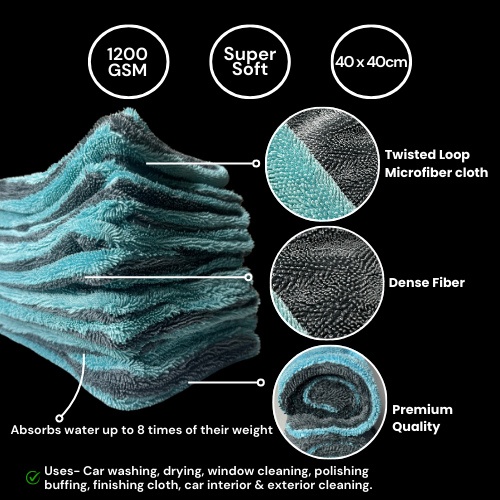
Keep It Spotless with Our Premium Cleaning Cloths!
Ultra-soft, scratch-free, and super absorbent—perfect for your car, bike, and home! Grab yours now!
Environmental Concerns: A Step Backward?
While the auto industry sees this as a practical decision, climate activists argue that delaying compliance could slow down Europe’s leadership in green mobility.
What’s Next?
1. Expanding Charging Infrastructure
2. Reducing EV Prices
3. Stronger Hybrid Investment
Conclusion: A Strategic Pause or a Setback?
The EU’s decision to extend the CO₂ compliance deadline to 2027 is a double-edged sword. For automakers, it offers much-needed breathing room to navigate slowing EV demand, supply chain challenges, and rising costs. However, for climate advocates, it raises concerns about Europe’s commitment to green mobility and carbon reduction goals.
In the coming years, automakers must use this extra time wisely—investing in better EV infrastructure, lowering costs, and innovating hybrid technology. The road to a sustainable future is still in motion, but the timeline just got a little longer. Whether this move accelerates progress or slows it down remains to be seen.
Acknowledgment:
This article has been independently written by Motorpark and is based on publicly available information from credible sources.
Sources & Credits: Reuters, The Guardian & Financial Times
Best selling products
-
Hot Wheels McLAREN F1
Original price was: ₹800.₹500Current price is: ₹500. -
Hot Wheels Bumblebee Transformers
Original price was: ₹449.₹370Current price is: ₹370. -
Hot Wheels Shelby Cobra “Daytona” Coupe
Original price was: ₹499.₹370Current price is: ₹370. -
Hot Wheels Tesla Cybertruck
Original price was: ₹799.₹500Current price is: ₹500. -
Hot Wheels Ford Mustang Dark Horse
Original price was: ₹700.₹500Current price is: ₹500.




Gear up with our premium racing jacket—sleek, durable, and built for speed. Limited stock—grab yours now!